

Which Type of SLA Battery Does Your Business Need?
- by Joe Weber - updated on 8/1/2026
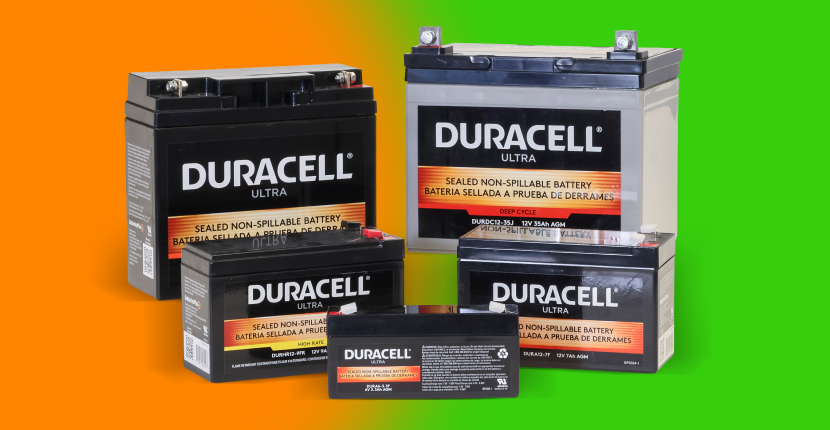
Key Takeaways / TL;DR
- General-Purpose SLA: Best for cost-effective, low-demand standby applications like emergency lighting and security alarms.
- Deep-Cycle SLA: Engineered with thick plates to handle repeated, heavy discharges down to 20% capacity (ideal for floor scrubbers and mobility vehicles).
- High-Rate SLA: Features thinner, high-surface-area plates to dump massive amounts of power quickly for critical UPS backups and data centers.
- Gel SLA: Uses a silica-gellant electrolyte designed to withstand extreme heat and intense deep cycling in low-ventilation areas.
Sealed Lead Acid (SLA) batteries power a massive footprint of modern commercial applications. From critical fire and security systems to data center UPS backups, emergency exit lighting, and commercial solar arrays, these batteries keep businesses running.
However, many facility managers don't realize that "SLA" isn't a one-size-fits-all solution. There are four distinct types of SLA batteries, each engineered with unique internal designs, performance capabilities, and lifecycles. Choosing the wrong one can lead to premature battery failure and unnecessary expenses. Let's break down the types of SLA batteries and how to select the right fit for your commercial energy needs.
1. General-Purpose SLA Batteries
As the name suggests, general-purpose SLA batteries are the most versatile and cost-effective option for everyday commercial use. These batteries utilize Absorbed Glass Mat (AGM) technology, meaning the electrolyte is suspended in fiberglass mat separators, allowing the battery to operate efficiently in a wide range of temperatures.
Why They're Great
General-Purpose AGM batteries provide a reliable, maintenance-free blend of both standby (backup) and light cycling operations at an affordable price point. They feature a low self-discharge rate, making them exceptionally dependable when sitting idle for long periods.
- Best Commercial Uses: Fire and security alarm systems, emergency exit lighting, standard uninterruptible power supplies (UPS), and commercial sump pumps.
Shop General Purpose SLA Batteries
2. Deep-Cycle SLA Batteries
When your business equipment relies on steady, continuous power over extended periods, standard batteries won't cut it. AGM deep-cycle batteries are specifically built with thicker, heavier lead plates to withstand aggressive, deep electrical discharges.
Why They're Great
Unlike a general-purpose battery that can degrade if emptied too far, a high-quality deep-cycle battery can be safely discharged down to 20% capacity without losing performance. On average, they offer 40% more cycles over their lifespan than general-purpose variations, drastically reducing your long-term replacement costs.
- Best Commercial Uses: Commercial floor scrubbers/sweepers, motorized wheelchairs, golf carts, facility maintenance vehicles, marine/RV house power, and off-grid solar arrays.
3. High-Rate Discharge UPS Batteries
High-rate SLA batteries are engineered for one specific mission: delivering massive bursts of electrical current in a matter of minutes. To achieve this, they are packed with a higher quantity of thinner lead plates.
Why They're Great
By using thinner plates, manufacturers maximize the internal surface area of the active electrode material. This vast surface area causes a rapid chemical reaction with the sulfuric acid electrolyte, allowing the battery to dump high volumes of energy almost instantly during a power failure. They require virtually zero maintenance and can offer an impressive operational lifespan of up to 10 years.
- Note: Due to their thin-plate design, high-rate batteries should never be used for deep-cycle applications.
- Best Commercial Uses: Data centers, server banks, mission-critical telecom systems, emergency medical equipment, and large-scale industrial UPS backups.
4. Gel SLA Batteries
While frequently confused with standard AGM batteries, Gel batteries feature a totally different chemistry. Instead of a liquid or mat-absorbed electrolyte, Gel batteries use a mixture of sulfuric acid and fumed silica, transforming the internal fluid into a thick, immobile gel paste.
Why They're Great
Gel SLA batteries are the ultimate heavy-duty solution for extreme deep cycling operations. The gelled electrolyte gives them superior resistance to high ambient temperatures and severe physical vibrations. Because the gel physical compound minimizes chemical fumes, they are incredibly safe for enclosed spaces with limited ventilation. Furthermore, they can last up to twice as long as a traditional flooded deep-cycle battery.
- Note: Gel batteries require precise charging profiles at lower voltages; using a standard charger can quickly cause overcharging damage.
- Best Commercial Uses: Heavy-use electric mobility devices, remote telecom infrastructure, industrial wind turbines, and harsh-environment solar power storage.
Commercial SLA Batteries: Frequently Asked Questions
Q: What is the difference between an AGM and a Gel battery?
A: While both are sealed, maintenance-free lead acid batteries, the difference lies in the electrolyte. AGM (Absorbed Glass Mat) batteries suspend liquid acid inside fine fiberglass mats, making them excellent for high current delivery and cold temperatures. Gel batteries turn the acid into a solid paste using silica, making them more resilient against extreme heat, slow deep discharges, and physical vibration.
Q: How long do commercial SLA batteries last?
A: An SLA battery's lifespan depends entirely on its environment and usage. On average, standard general-purpose SLA batteries last 3 to 5 years in standby applications. High-rate discharge UPS batteries can last up to 10 years in climate-controlled server rooms. Deep-cycle SLA batteries are rated by "cycles" (usually 300 to 500 cycles depending on the depth of discharge).
Q: Can you use a regular battery charger on a Gel SLA battery?
A: No. Gel batteries are highly sensitive to voltage spikes. A standard automotive or flooded battery charger typically uses a voltage profile that is too high, which will dry out or bubble the internal gel paste, permanently ruining the battery. Always use a smart battery charger featuring a dedicated, selectable "Gel" charging profile.
Q: Can SLA batteries be mounted in any position?
A: Yes, for the most part. Because SLA batteries are completely sealed and spill-proof, they can be safely mounted on their sides, ends, or upright. However, you should never mount an SLA battery completely upside down, as this can interfere with the safety pressure-relief valves designed to release minor gas buildup during charging cycles.
Power Your Business Forward with Batteries Plus
Navigating hundreds of SLA battery configurations can be daunting when managing a facility. Whether you need immediate replacement parts or a long-term energy partner, Batteries Plus has the inventory and local expertise to keep your business powered up and fully compliant.
Partner with Us for Exclusive Business Perks
Ready to streamline your commercial power sourcing? Sign up for a free Batteries Plus Business Account today to unlock custom pricing, logistics support, and exclusive program benefits, including:
- Dedicated Account Advisors: Work directly with a single point of contact who understands your industry.
- Volume Discount Pricing: Lower your overhead costs with commercial tier pricing on the batteries you use most.
- On-Site Facility Needs Assessments: Let our energy experts tour your location to optimize your battery lifecycle and safety.
- Customized Shipping Options: Access bulk logistics, local delivery, or scheduled shipments to fit your operational schedule.
Sign Up for Your Free Business Account
Need Immediate Local Inventory & Expert Help?
Do you have an urgent replacement need or want to chat with a technician in your area? Our nationwide network of physical storefronts holds immediate local inventory and offers specialized testing and certified recycling programs.
Find and Contact Your Local Store