

Why Does My Car Battery Keep Dying? Understanding Parasitic Battery Drain
- by Joe Weber - updated on 1/30/2026

Key Takeaways
- It's Silent but Deadly: Parasitic drain occurs when electrical components continue to draw power from your battery even after the engine is turned off.
- Some Drain is Normal: Your car's clock, alarm system, and radio presets require a small amount of energy, usually under 50 milliamps. Anything higher is problematic.
- Diagnosis Requires Tools: You can identify the source of the drain using a multimeter and the "fuse pull" method.
- We Can Help: If you can't find the source, Batteries Plus offers free battery testing and expert diagnostics.
Nothing ruins a morning faster than turning your key and hearing nothing but a click. If your battery is relatively new but keeps dying—especially after sitting for a few days—you might not have a bad battery. You might have a parasitic battery drain.
Here is everything you need to know about this silent battery killer, how to diagnose it, and how to stop it.
What is Parasitic Battery Drain?
Parasitic battery drain (or parasitic draw) refers to an abnormal discharge of power from the battery after the ignition is turned off.
Think of your car battery like a bucket of water. It is normal for a few drops to leak out over time to keep essential systems running (like your security system or door locks). However, a parasitic drain is like a hole in the bucket; it drains the "water" (electricity) faster than the alternator can refill it next time you drive.
Normal vs. Abnormal Drain
Not all battery usage is bad. Modern vehicles are essentially rolling computers. A healthy parasitic load usually falls between 50 and 85 milliamps (mA).
- Normal: Powering the ECU (computer) memory, radio presets, clock, and internal security sensors.
- Abnormal: A glove box light stuck in the "on" position, a short circuit, or a relay switch that fails to close.
Common Causes of Car Battery Drain
If you wake up to a dead car battery in the morning, one of these culprits is usually to blame:
1. Human Error (Lights Left On)
The most common cause is also the simplest. Headlights, dome lights, or a trunk light that wasn't closed properly can drain a standard car battery in a few hours.
2. Aftermarket Accessories
Did you recently install a new stereo, dashcam, or alarm system? If these are wired incorrectly, they may bypass the ignition switch, pulling power directly from the battery 24/7.
3. Faulty Alternator Diodes
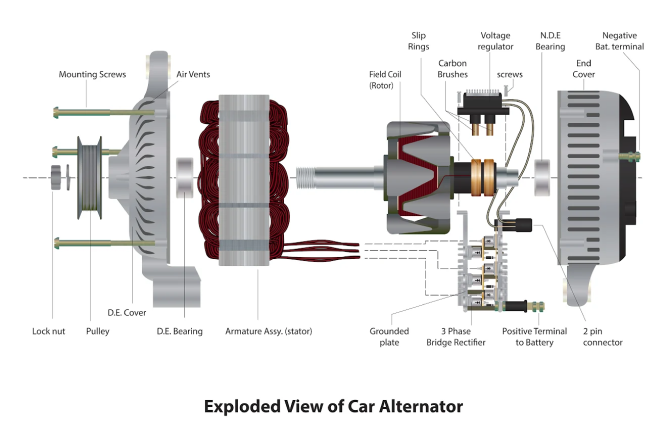
Your alternator uses components called diodes (found in the rectifier) to convert power and ensure electricity flows in only one direction—from the alternator to the battery. Think of a diode like a one-way electrical valve. If a diode fails, it allows power to flow backward from the battery into the alternator even when the car is off, draining your charge quickly.
4. Old or Weak Battery
Sometimes, it isn't a drain at all—it's just time for a car battery replacement. As batteries age, they lose their ability to hold a charge. A 5-year-old battery might die overnight simply because it can no longer sustain the normal parasitic load of the vehicle.
Do Some Batteries Handle Parasitic Drain Better?
The short answer is: Yes, but only to a point.
While no battery can survive a continuous, heavy drain forever, the chemistry of your battery determines how well it can bounce back from being drained.
- Standard Flooded Batteries: Traditional car batteries are designed for short, high-power bursts (starting the engine). They are not designed to be drained slowly over long periods. If a parasitic drain empties a standard battery, it often causes permanent internal damage, shortening its lifespan.
- AGM Batteries (Absorbed Glass Mat): Premium AGM batteries, such as our exclusive X2Power line, are built differently. They are often "dual-purpose," meaning they provide strong starting power and deep-cycle capabilities.
Because AGM batteries have lower internal resistance and are more durable, they can handle the stress of a parasitic load better than standard flooded batteries. If you have a modern car with lots of electronics (which increases the risk of parasitic draw), upgrading to an X2Power AGM battery gives you a better safety buffer.
How to Check for Parasitic Battery Drain
If you are comfortable working with tools, you can perform a parasitic draw test using a digital multimeter.
Note: Always wear safety glasses and gloves when working with car batteries.
The Multimeter Test (Amp Draw Test)
- Prepare the Car: Turn off the engine, lights, and all accessories. Close all doors and the trunk (or latch the mechanisms so the car thinks they are closed).
- Wait: Let the car sit for about 30 minutes so all of the secondary electronics go to sleep.
- Disconnect the Negative Cable: Remove the negative (black) battery cable from the battery terminal.
- Connect the Multimeter: Set your multimeter to the highest Amp setting (usually 10A or 20A). Connect the multimeter probes in series between the negative battery terminal and the detached negative cable. (red to the battery, black to the disconnected terminal)
- Read the Draw: If the reading is higher than 50 milliamps (0.05 amps), you likely have a parasitic drain.
The Fuse Pull Method
Once you confirm a high draw with the multimeter:
- Keep the multimeter connected.
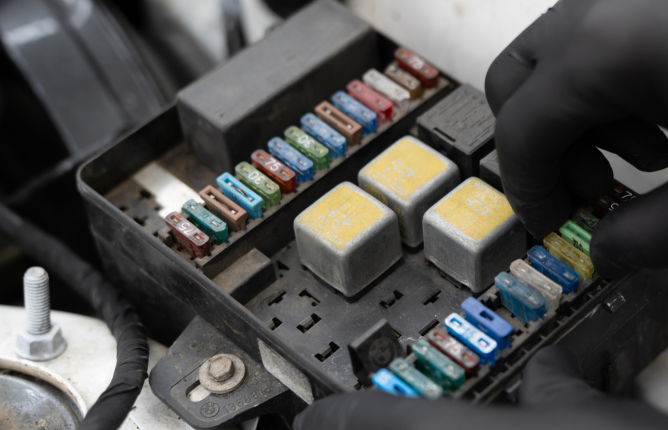
- Open your fuse box.
- Pull fuses one by one while watching the multimeter reading.
- When the amp reading drops significantly, the last fuse you pulled controls the circuit, causing the drain. Consult your owner's manual to see what that fuse powers.
How to Prevent Battery Drain
- Drive Your Car Regularly: Short trips aren't enough to recharge the battery. Drive your car for at least 15–20 minutes at highway speeds once a week.
- Use a Battery Maintainer: If you store your vehicle or drive infrequently, use a battery tender or trickle charger to keep the battery topped off without overcharging it.
- Check Your Lights: Make a habit of checking your headlights and interior lights every time you exit the vehicle.
Is Your Car Battery Still Struggling? Visit Batteries Plus.
Tracing electrical gremlins can be frustrating. If you suspect a drain but aren't comfortable pulling fuses, or if you just want to know if your battery is the problem, head to your local experts.
At Batteries Plus, we offer:
- Free Car Battery Testing: We'll test your battery and your charging system (alternator) to pinpoint the issue.
- Expert Installation: If you need a replacement, we carry top-rated Duracell and X2Power batteries, with installation services available.
- Recycling Services: We'll responsibly recycle your old battery.
Don't let a dead battery leave you stranded.
Find Your Local Store | Shop Car & Truck Batteries
FAQ: Frequently Asked Questions
Q: Can a bad battery cause parasitic drain?
A: A bad battery doesn't cause the drain, but it mimics the symptoms. A battery with a bad cell will self-discharge rapidly, making it look like something is draining it. This is why we recommend a free battery test at Batteries Plus to rule out a bad unit first.
Q: How long can a car sit before the battery dies from parasitic drain?
A: A healthy battery in a modern car can usually sit for 2–3 weeks before the normal parasitic load drains it too low to start. If your car dies in 2–3 days, you have an issue.
Q: Will disconnecting the battery stop the drain?
A: Yes. If you are leaving the car for a month or more, disconnecting the negative terminal will stop the parasitic draw. However, you will lose your radio presets and clock settings. A better solution is a battery maintainer.